
Silica Glass
What Exactly Defines the Composition of Silica Glass?
At its most fundamental level, the substance known as Silica Glass is a non-crystalline, vitreous form of matter consisting almost entirely of silicon dioxide ($SiO_2$). Unlike standard window glass, which contains additives like soda and lime to lower the melting point, this high-purity material is created by fusing pure silica sand or through the chemical vapor deposition of silicon precursors. The molecular structure of Silica Glass is characterized by a random network of silicon-oxygen tetrahedra, where each silicon atom is bonded to four oxygen atoms, yet lacks the long-range periodic order found in crystalline quartz. This amorphous arrangement is precisely what gives the material its unique transparency and isotopic physical properties, distinguishing it from other ceramic or metallic solids.
How Does the Manufacturing Process of Silica Glass Differ from Traditional Glassmaking?
The production of Silica Glass is an incredibly energy-intensive endeavor because pure silicon dioxide has an exceptionally high melting point of approximately 1713°C. In industrial settings, manufacturers must use specialized electric arc furnaces or hydrogen-oxygen burners to reach the temperatures necessary to liquify the raw materials. Because of its high viscosity when molten, Silica Glass does not flow as easily as common soda-lime variants, requiring precise thermal management to prevent the formation of bubbles or structural defects. Once the material is shaped, it undergoes a rigorous cooling process to ensure that the internal stresses are minimized, resulting in a product that is both physically robust and optically superior.
Why is Thermal Stability the Defining Feature of Silica Glass?
One of the most remarkable physical attributes of Silica Glass is its extremely low coefficient of thermal expansion, which is among the lowest of any known material. This means that when the material is subjected to rapid and extreme temperature fluctuations, it undergoes virtually no change in volume, allowing it to resist cracking or shattering. You could theoretically heat a block of Silica Glass until it glows red and then plunge it into ice water without causing a structural failure, a feat that would be impossible for almost any other transparent medium. This thermal shock resistance makes Silica Glass the gold standard for laboratory equipment, telescope mirrors, and aerospace windows where temperature gradients are severe.
How Does Silica Glass Enable the Modern Telecommunications Revolution?
The internet as we know it would likely not exist without the development of ultra-pure Silica Glass, which serves as the core material for fiber optic cables. Because it possesses incredibly low optical attenuation, signals in the form of light pulses can travel for dozens of miles through a strand of Silica Glass without significant loss of intensity. Engineers have refined the purification process to such a degree that if the ocean were as clear as high-grade Silica Glass, you would be able to see the bottom of the Mariana Trench from the surface. This unrivaled clarity allows for the high-speed data transmission that powers global communications, streaming services, and international finance.
What are the Optical Properties That Make Silica Glass Indispensable for Research?
In the realm of scientific instrumentation, Silica Glass is prized for its ability to transmit light across a broad spectrum, ranging from the deep ultraviolet to the near-infrared. While standard glass filters out most ultraviolet radiation, high-purity Silica Glass allows these short wavelengths to pass through with minimal absorption, which is critical for applications like UV sterilization and lithography in semiconductor manufacturing. Furthermore, the material exhibits very low fluorescence, meaning it does not emit its own light when excited by lasers, ensuring that sensitive biological and chemical measurements remain accurate. Researchers rely on the optical neutrality of Silica Glass to act as a "blank canvas" for their light-based experiments.
Can Silica Glass Withstand Harsh Chemical Environments?
Chemists and industrial engineers frequently turn to Silica Glass because of its extraordinary resistance to chemical erosion and acid attacks. With the exception of hydrofluoric acid and strong hot alkaline solutions, the material is virtually inert and does not react with the vast majority of reagents or compounds. This chemical durability ensures that containers made of Silica Glass do not leach impurities into the substances they hold, maintaining the integrity of high-purity chemicals used in pharmaceuticals and electronics. In a world where many materials degrade when exposed to corrosive vapors, Silica Glass remains a steadfast barrier that protects both the experiment and the equipment.
How is Silica Glass Utilized in the Aerospace Industry?
The windows of spacecraft and high-altitude aircraft are often crafted from reinforced layers of Silica Glass to protect pilots and equipment from the friction-induced heat of re-entry. As a vehicle travels through the atmosphere at hypersonic speeds, the external surfaces can reach temperatures that would melt or deform lesser materials, but Silica Glass maintains its structural integrity and optical clarity. Additionally, its ability to withstand the intense radiation found in the vacuum of space makes it an essential component for the protective covers of solar cells on satellites. Without the protection afforded by Silica Glass, the sensitive electronics on our orbital assets would quickly succumb to the harsh cosmic environment.
What Role Does Silica Glass Play in Semiconductor Fabrication?
The tiny microchips that power our smartphones and computers are manufactured using a process called photolithography, which requires lenses and masks made of high-grade Silica Glass. These components must be absolutely free of even microscopic inclusions or distortions, as the light passing through them must be focused with nanometer-scale precision. Because Silica Glass does not expand or contract significantly with the heat generated by industrial lasers, the patterns etched onto silicon wafers remain perfectly aligned. The semiconductor industry effectively runs on the stability and purity of Silica Glass, making it a silent but vital pillar of the global technology economy.
Is Silica Glass Found Naturally in the Environment?
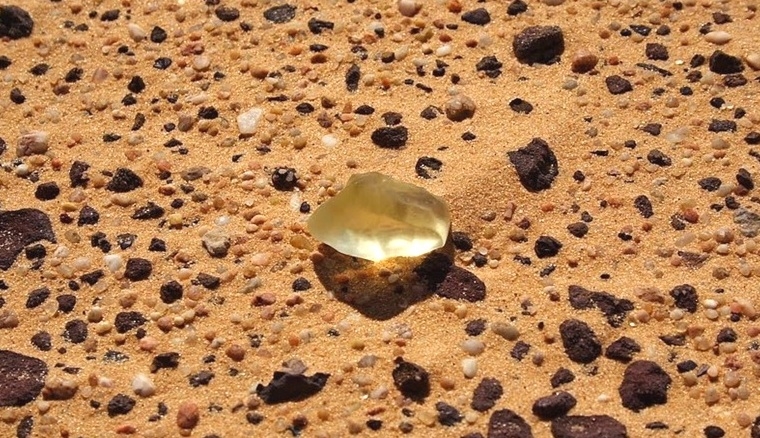
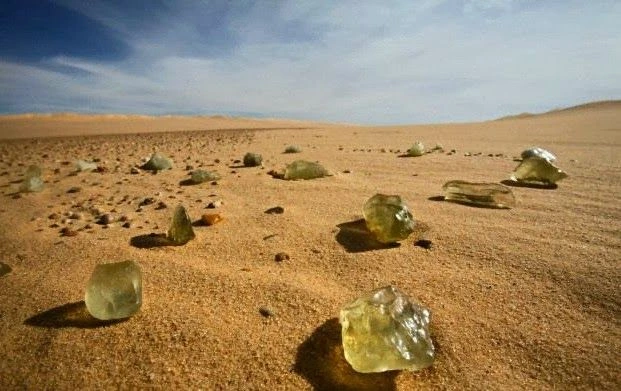
While most of the material used in industry is man-made, Silica Glass can actually be found in nature under extraordinary circumstances, such as during a lightning strike on sandy soil. When lightning hits the ground, the intense heat instantaneously melts the sand, creating hollow, branching tubes of natural glass known as fulgurites. Similarly, the heat from a meteorite impact can create impactites, which are essentially rough versions of Silica Glass formed by the immense pressure and temperature of a celestial collision. These natural occurrences provided early humans with their first glimpses of a material that we would eventually learn to synthesize and perfect for our own technical needs.
How Does the Purity of Silica Glass Affect its Longevity?
The "shelf life" of Silica Glass is effectively infinite when kept in a stable environment, as it does not oxidize, rust, or biologically degrade over time. However, the purity of the material is crucial; even trace amounts of metallic impurities can lead to "solarization," where the glass turns purple or brown after prolonged exposure to radiation. High-purity Silica Glass is specifically engineered to resist this darkening effect, ensuring that optical components remain clear for decades of service in harsh environments. This long-term stability is why Silica Glass is often considered for the containment of hazardous waste, as it can remain structurally sound for thousands of years.
What are the Mechanical Limitations of Silica Glass?
Despite its impressive thermal and chemical resistance, Silica Glass is inherently brittle and possesses low fracture toughness, meaning it will shatter if subjected to high-impact mechanical stress. It does not undergo plastic deformation like metals; instead, it stores elastic energy until a crack propagates at high speed through the molecular network. Engineers mitigate this weakness by using specialized coatings or by tempering the Silica Glass to introduce compressive stress on the surface, which helps arrest the growth of small cracks. Understanding these mechanical trade-offs is essential when designing structural components that must utilize the unique benefits of Silica Glass while avoiding catastrophic failure.
Why is Synthetic Silica Glass Gaining Popularity Over Fused Quartz?
While the terms are often used interchangeably, synthetic Silica Glass is distinct from fused quartz because it is made from chemical precursors rather than natural sand. This chemical synthesis allows for a level of purity that is simply impossible to achieve with mined materials, as natural sand always contains trace amounts of aluminum, iron, and titanium. For the most demanding applications, such as deep-space telescopes or high-power laser systems, the ultra-low impurity levels of synthetic Silica Glass are necessary to prevent energy absorption and thermal blooming. As technology pushes into smaller and more powerful realms, the demand for this engineered version of Silica Glass continues to outpace traditional manufacturing methods.
How Does Silica Glass Contribute to Sustainable Energy?
In the quest for clean energy, Silica Glass plays a critical role in the development of concentrated solar power (CSP) systems and advanced photovoltaics. CSP systems use mirrors to focus sunlight onto a receiver, and the mirrors must be protected by a material that can withstand high heat and UV degradation—a perfect job for Silica Glass. Furthermore, researchers are exploring the use of specialized glass fibers in wind turbine blades to increase their stiffness and lifespan. By providing the structural and optical components necessary for harvesting renewable resources, Silica Glass is helping to reduce the global reliance on fossil fuels and mitigate the effects of climate change.
What is the Future of Silica Glass in Medical Technology?
Bio-compatible versions of Silica Glass are being developed for use in bone tissue engineering and targeted drug delivery systems. These "bio-active" glasses can actually bond with living tissue and release therapeutic ions that stimulate the body's natural healing processes. Additionally, the fiber optic capabilities of Silica Glass are used in minimally invasive surgical tools, allowing doctors to see inside the human body with incredible detail through tiny incisions. As we integrate technology more closely with biology, the inert and versatile nature of Silica Glass will likely lead to breakthroughs in how we treat chronic diseases and injuries.
Can Silica Glass be Recycled Effectively?
While the recycling of common soda-lime bottles is a well-established practice, the recycling of technical Silica Glass is much more complex due to its extremely high melting point. Mixing high-purity glass with standard glass would ruin the batch, so Silica Glass waste must be carefully segregated and processed separately to maintain its properties. Many manufacturers now have "closed-loop" systems where scraps from the cutting and polishing stages are re-melted to create new products. This specialized recycling of Silica Glass helps to reduce the environmental footprint of high-tech manufacturing while conserving the rare, high-purity precursors required for its production.
How Does Silica Glass Perform Under High Pressure?
In deep-sea exploration, the windows of submersibles must withstand the crushing pressure of the ocean depths, which can exceed several tons per square inch. Silica Glass is often selected for these viewing ports because its molecular structure is remarkably resistant to compression. As long as the glass is polished to remove surface defects that could act as stress concentrators, Silica Glass can endure the massive forces found at the bottom of the ocean without deforming. This ability to maintain a clear view under pressure has allowed explorers to document the alien landscapes of the deep sea, all thanks to the structural integrity of Silica Glass.
What Makes Silica Glass Essential for Large-Scale Astronomy?
The massive mirrors used in terrestrial and space-based telescopes are frequently made from a specialized ceramic or Silica Glass substrate to ensure that the images of distant stars remain sharp. If a telescope mirror were to expand or contract as the temperature changes at night, the focal point would shift, resulting in blurry data. By using Silica Glass with zero-expansion additives, astronomers can create mirrors that maintain their shape to within a fraction of a wavelength of light. Every stunning image we see of distant galaxies and nebulae is made possible by the unwavering stability of the Silica Glass supporting the telescope's optics.
How is the Cost of Silica Glass Justified in Industrial Applications?
There is no denying that Silica Glass is significantly more expensive than standard glass, often by a factor of ten or more, due to the energy and purity requirements of its manufacture. However, the cost is justified by the "total cost of ownership," where the material's longevity and performance prevent expensive downtime or equipment failure. In a high-speed semiconductor line or a deep-sea research vessel, the failure of a cheap glass component could result in millions of dollars in losses, making the investment in Silica Glass a form of insurance. Industries that operate at the edge of physical limits recognize that Silica Glass is an investment in reliability and precision.
Why is Silica Glass Considered a "Noble" Material in Materials Science?
Within the scientific community, Silica Glass is often spoken of with a sense of reverence because of its simplicity and its nearly perfect set of physical properties. It is a material that does one thing—manage light and heat—better than almost anything else in existence. While newer polymers and composite materials are constantly being invented, the timeless utility of Silica Glass remains unchallenged in the most demanding environments. It is a "noble" material because it does not degrade, does not react, and does not compromise, standing as a testament to our ability to refine a simple piece of sand into a tool of infinite complexity.
Conclusion
What is the Conclusion Regarding the Legacy of Silica Glass?
As we look toward the future, it is clear that Silica Glass will continue to be at the heart of human innovation, from the lasers of the next generation to the sensors of autonomous vehicles. We have moved from simply finding this material in the wake of lightning strikes to crafting it atom-by-atom in sterile laboratories, yet we are still discovering new ways to utilize its potential. The journey of Silica Glass is far from over; it remains the invisible window through which we view the universe and the silent conduit through which we share our collective knowledge. Whether in the depths of the ocean or the far reaches of space, Silica Glass remains an essential partner in our quest to understand and master the physical world.