
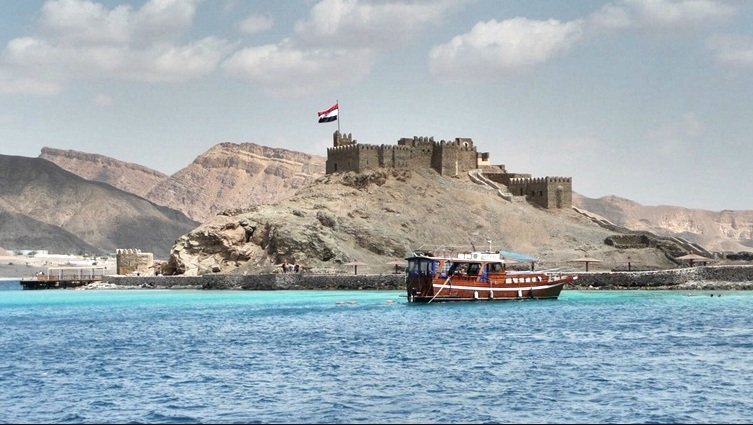
Saladin Citadel — also known as Salah El‑Din Fortress — is a remarkable medieval castle located on Pharaoh’s Island near Taba in the South Sinai Governorate of Egypt. Built in the late 12th century by Salah ad‑Din al‑Ayyubi (Saladin), one of the most renowned Muslim rulers in history, the citadel served as a strategic military fortification and defensive stronghold in the Gulf of Aqaba region. Perched on high ground overlooking the gulf, this fortress provided control over trade routes, pilgrimage pathways, and protected Egypt’s eastern frontier from Crusader incursions. Today, it remains one of the most significant historical monuments in Sinai and a must‑visit for travelers interested in military architecture, medieval Arab history, and stunning panoramic views of four neighboring countries.
Historical Background
The Era of Saladin
Salah ad‑Din al‑Ayyubi — commonly known simply as Saladin — rose to power during a period of intense conflict between Muslim states and Crusader forces in the Levant. After establishing the Ayyubid dynasty in Egypt in 1171, Saladin consolidated power and sought to defend the territory against European Crusaders who had occupied parts of the Holy Land. His leadership was marked by military skill, diplomacy, and a commitment to securing safe passage for Muslim pilgrims traveling along key routes, including those leading to Mecca and Medina.
Strategic Importance of Pharaoh’s Island
Pharaoh’s Island, located just off the coast of Taba, offered a natural strategic advantage. It stands near the northern edge of the Gulf of Aqaba — close to the borders of Jordan, Saudi Arabia, and Israel — and commanded crucial sea and land routes. Before Saladin’s arrival, Crusaders held a fortress on this island and used it to intercept pilgrims and merchants. In 1171, Saladin expelled the Crusaders and initiated construction and fortification work to secure control of the island and protect the area from external threats.
Expansion and Defense Objectives
Saladin’s decision to build the citadel on Pharaoh’s Island reflected both military and economic imperatives. The fortress prevented Crusader raiders from operating freely along the Sinai coast and secured trade flows between Egypt, the Arabian Peninsula, and the Levant. By reinforcing this position with substantial walls, watchtowers, storage facilities, and defensive installations, Saladin strengthened Egypt’s eastern defense line and provided a secure base for his forces.
Architecture and Layout
Fortified Walls and Outer Defenses
The fortress was constructed with massive granite blocks quarried from the island itself, giving the walls exceptional strength and durability. These walls encompassed the entire citadel and were punctuated by towers that served as lookout points and defensive positions. These fortifications were built to withstand prolonged sieges and protect defenders against attacks from sea or land.
The design reflects typical medieval military architecture of the 12th century, combining rugged defensive features with practical internal space planning to support a sustained garrison. The citadel’s position atop the island’s elevated terrain also made it difficult for enemies to assault directly.
Internal Structures and Functional Zones
Inside Saladin Citadel, various structures catered to the operational needs of soldiers and commanders. These included:
-
Barracks and Soldier Quarters: Living spaces for the troops responsible for defending the fortress.
-
Weapons Manufacture and Storage Areas: Workshops and storerooms where arms and ammunition were prepared and safeguarded.
-
Water Reservoirs and Cisterns: Since water access on a remote island was critical, systems were built to collect and store fresh water for prolonged occupancy.
-
Bakeries and Food Storage: Facilities such as large ovens for baking bread enabled the defenders to remain sustained during sieges.
-
Mosque: A mosque constructed by Amir Hossam El Din Bagel served the spiritual needs of the fortress community.
Architectural Legacy
Although the fortress shows signs of centuries of weathering and periodic restoration, many elements of its medieval structure remain intact. From the high perimeter walls to the ruins of internal buildings and the remains of functional military installations, the citadel offers rare insight into Ayyubid military architecture and medieval Islamic fortification strategies.
Role in Defense and Regional Control
Control Over the Gulf of Aqaba
The strategic location of Saladin Citadel made it a pivotal point of control over the Gulf of Aqaba — a waterway connecting the Red Sea to key trading ports and pilgrimage routes. From its elevated position, guards could monitor sea traffic and coordinate defenses against incoming threats. This allowed Saladin’s forces to assert influence over maritime movements and protect the broader region.
Protection of Pilgrimage Routes
During Saladin’s era, ensuring safe pilgrimage routes — especially those linking Egypt to Arabia and the broader Muslim world — was of religious and political importance. The citadel helped protect caravans and pilgrims from hostile incursions, contributing to a broader network of secure paths across Sinai.
Military Engagements
While few major recorded battles took place directly at the Taba citadel itself, its presence discouraged prolonged Crusader reoccupation and provided a secure base for defensive operations in the region. It also served as a staging ground for surveillance and desert patrols, reinforcing Egypt’s eastern flank.
Restoration and Modern Preservation
20th Century Developments
Over the centuries, natural salt erosion, sea exposure, and neglect took a toll on the citadel’s stonework and internal structures. However, in the 1980s, restoration and development efforts began in earnest to conserve the site. These included rebuilding weakened walls, stabilizing structures, and installing protective measures against the encroaching sea.
Tourist Accessibility
Following these restoration efforts, the citadel was reopened to visitors and has since become an important cultural tourist destination in South Sinai. Visitors can explore the ruins, enjoy panoramic views of the gulf, and gain an appreciation for medieval Islamic military engineering.
Interpretation and Signage
To enhance the visitor experience, informational signboards explain the history and layout of the citadel, while pathways and safety measures help guide exploration of the site. Improved lighting and maintenance have made evening visits feasible for tourists seeking dramatic views of the illuminated fortress against the Red Sea backdrop.
Cultural and Educational Importance
Historical Education
Saladin Citadel offers scholars, students, and historians a tangible connection to the medieval Islamic world and the Crusades era. Its architecture and layout reveal not only military sophistication but also the day‑to‑day realities of life within a fortress community.
Symbol of Regional Identity
For many Egyptians and Middle Eastern visitors, the citadel is more than a historical monument — it represents resilience, strategic acumen, and cultural continuity dating back nearly a millennium. It helps connect modern audiences with stories of medieval geopolitics, faith, and trade.
Visiting Today
Location and Access
Saladin Citadel is situated on Pharaoh’s Island, approximately 250 meters off the coast of Sinai near Taba. The island is accessible by short boat rides from the mainland, and visitors typically combine the trip with other regional attractions such as reefs, snorkeling, and Gulf of Aqaba coastal excursions.
Best Times to Visit
The optimal season to explore the fortress is during the cooler months, when Sinai’s desert climate is more comfortable for hiking and outdoor exploration. Guided tours often provide historical background and access to areas that are otherwise difficult to navigate independently.
Visitor Facilities
While the site remains largely archaeological, basic facilities such as pathways, seating, and interpretive signage help visitors appreciate both the scale and history of the citadel. Local guides can enhance the experience by offering context about Saladin’s life, his architectural decisions, and the citadel’s role in medieval defense strategies.
Conclusion and Call to Action
Saladin Citadel in Taba stands as a testament to the enduring legacy of Salah ad‑Din al‑Ayyubi — a leader whose vision shaped the military and cultural landscape of the medieval Middle East. From its commanding position on Pharaoh’s Island to its robust defensive walls and historic internal structures, the fortress invites visitors to step back into an era defined by strategic conflict, cross‑continental trade, and profound historical change.
Planning a trip? Be sure to explore Saladin Citadel with Flying Carpet Tours to fully appreciate this historic gem of Egypt. Discover its walls, towers, and seaside views while learning the fascinating story behind one of Sinai’s most iconic attractions.