
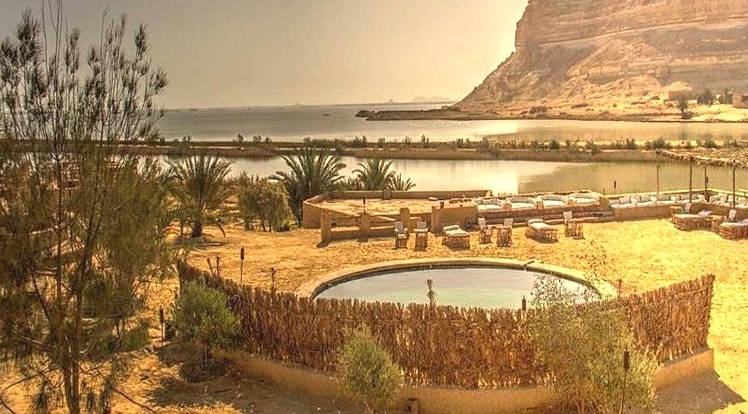
Nestled in the remote Siwa Oasis in western Egypt, Cleopatra’s Bath, also known as Cleopatra’s Pool, is one of the most enchanting and historically intriguing natural springs in the country. This hidden gem is famed not only for its crystal-clear waters and serene environment but also for its legendary association with Queen Cleopatra, the last ruler of Ancient Egypt. Visitors to this site are drawn by both its historical mystique and the unique experience it offers—a rare opportunity to relax in a natural spring while being surrounded by the stunning landscapes of the desert oasis.
Cleopatra’s Bath has become a must-visit destination for travelers seeking a mix of history, culture, and adventure in Egypt. Its charm lies in the combination of natural beauty, historical legends, and the tranquil atmosphere that makes the Siwa Oasis a truly unique destination.
Historical Significance
The legend of Cleopatra’s Bath is steeped in Egyptian lore. According to local stories, Cleopatra VII, the famous queen known for her beauty, intelligence, and political acumen, visited the oasis to bathe in its rejuvenating waters. The spring is said to have been a private retreat for the queen, offering privacy and a peaceful escape from the bustling life of ancient Egypt.
Although historical evidence directly linking Cleopatra to the site is limited, the story has endured over centuries, enhancing the allure of the pool. Archaeological findings in Siwa Oasis suggest that the area has been inhabited for thousands of years, and its springs have long been treasured for their healing and restorative properties. The pool itself is fed by natural springs, providing fresh, mineral-rich water believed to have therapeutic effects.
The Siwa Oasis Context
To understand the significance of Cleopatra’s Bath, it is important to appreciate its setting in the Siwa Oasis. Located approximately 50 kilometers east of the Libyan border and about 560 kilometers southwest of Cairo, Siwa is one of Egypt’s most isolated and picturesque oases. It is famous for its palm groves, salt lakes, and unique mud-brick architecture, as well as its rich cultural heritage.
Siwa Oasis has been inhabited for millennia, with its people preserving a distinct Berber culture. The oasis served as a crossroads of ancient trade routes, connecting Egypt to Libya and other parts of North Africa. Over time, Siwa became renowned for its natural springs, salt lakes, and the mystical Oracle Temple of Amun, which Alexander the Great famously visited. Within this historical tapestry, Cleopatra’s Bath occupies a special place as a symbol of royal leisure and natural beauty.
The Natural Beauty of Cleopatra’s Bath
Cleopatra’s Bath is a natural spring pool surrounded by date palms, desert landscapes, and rocky cliffs, creating a serene and almost magical environment. The water is clear, warm, and mineral-rich, making it ideal for a relaxing soak after exploring the surrounding oasis. The pool is relatively small but well-maintained, and it retains a sense of intimacy and seclusion that enhances the visitor experience.
One of the most striking aspects of the site is the contrast between the lush greenery around the spring and the arid desert landscape that stretches beyond it. This juxtaposition creates a breathtaking backdrop for photography, meditation, or simply soaking in the tranquil ambiance. Travelers often describe the experience as stepping into a hidden paradise, far removed from the hustle and bustle of modern life.
Tourism Experience
Visiting Cleopatra’s Bath is often part of a broader exploration of Siwa Oasis. Many travelers combine the trip with visits to other famous Siwa attractions, such as:
-
Shali Fortress: The ancient mud-brick fortress at the heart of Siwa town, offering panoramic views of the oasis.
-
Oracle Temple of Amun: The historic temple where Alexander the Great is said to have sought guidance from the oracle.
-
Fatnas Island and Mountain of the Dead: Stunning natural landmarks with archaeological significance.
-
Salt Lakes: Siwa’s salt lakes, including the famous Lake Siwa, provide unique opportunities for swimming and relaxation.
Tour operators such as Flying Carpet Tours offer specialized packages that include guided visits to Cleopatra’s Bath. These packages often combine cultural insights, historical storytelling, and practical guidance, making the visit seamless and enriching. A guided tour typically includes transportation, explanations of the historical and legendary significance of the pool, and tips on how to enjoy the waters safely.
Activities at Cleopatra’s Bath
While Cleopatra’s Bath is primarily known for its tranquil waters, there are several activities visitors can enjoy:
-
Soaking and Swimming: The pool is ideal for a refreshing swim or a leisurely soak. Its warm waters are particularly relaxing, especially after exploring the desert.
-
Photography: The natural beauty of the spring, combined with the surrounding desert landscapes, makes it a perfect location for photography enthusiasts.
-
Meditation and Relaxation: Many visitors use the peaceful environment for meditation, yoga, or simply unwinding in nature.
-
Cultural Exploration: Learning about the local Siwan traditions and legends adds depth to the visit, connecting the natural beauty to the region’s rich history.
Visiting in the early morning or late afternoon offers the best lighting and avoids the peak heat of the desert, making the experience even more enjoyable.
Local Legends and Stories
The legend of Cleopatra bathing in Siwa has inspired countless travelers and storytellers. Locals describe the waters as having magical rejuvenating properties, and some even claim that soaking in the pool can restore youth and vitality. While these stories are part of the folklore, they contribute to the pool’s mystique and make the visit more memorable.
In addition to Cleopatra’s connection, the oasis itself is steeped in tales of ancient travelers, merchants, and rulers who sought refuge and inspiration in its springs. The combination of natural beauty and myth creates an atmosphere that feels almost timeless, allowing visitors to feel connected to Egypt’s rich past.
Travel Tips for Visitors
For those planning a visit to Cleopatra’s Bath, here are some practical tips:
-
Best Time to Visit: The ideal months are October to April, when temperatures in the desert are milder. Summer months can be extremely hot.
-
Transportation: Most visitors reach Siwa by road from Marsa Matrouh or Cairo. Local taxis, guided tours, or 4x4 vehicles are recommended for navigating the oasis.
-
What to Bring: Swimsuit, towel, sunscreen, water, and a camera are essentials. Comfortable walking shoes are recommended for exploring nearby sites.
-
Local Customs: Respect local traditions and dress modestly when visiting the town of Siwa. While swimming in the pool is encouraged, visitors should be mindful of local sensitivities.
-
Guided Tours: Booking a guided tour ensures a richer experience, providing historical context, safety guidance, and access to less-known spots.
Accommodation and Amenities
Siwa Oasis offers a range of accommodation options, from eco-lodges and boutique hotels to luxury resorts. Many of these are located near Cleopatra’s Bath or within a short drive, making it easy to include the pool in a multi-day itinerary. Some notable options include:
-
Adrere Amellal: A desert eco-lodge providing a rustic yet luxurious experience.
-
Siwa Shali Resort: Modern comforts with traditional Siwan architecture.
-
Flying Carpet Tours Packages: Many tour operators offer inclusive packages with accommodation, meals, and guided visits to Cleopatra’s Bath and surrounding attractions.
Amenities around the pool itself are limited to preserve its natural state, so visitors are encouraged to bring water and light snacks if needed.
Connecting History, Legend, and Tourism
What makes Cleopatra’s Bath truly unique is its ability to combine history, legend, and tourism. Travelers are not only visiting a natural spring but also engaging with Egypt’s rich cultural narrative. The story of Cleopatra, whether entirely factual or partly mythical, adds depth to the experience, while the Siwa Oasis itself provides a window into the life of desert communities that have thrived for centuries.
The pool’s natural, untouched environment contrasts with more commercialized tourist sites in Egypt, offering a more intimate and reflective experience. It is a place where travelers can connect with the past, enjoy nature, and indulge in relaxation—all in one visit.
Conclusion
Cleopatra’s Bath in Siwa Oasis is more than just a tourist destination—it is a journey through history, legend, and natural beauty. From the legendary tales of Cleopatra herself to the serene waters that have drawn visitors for centuries, the pool offers a unique experience that blends culture, relaxation, and adventure.
Whether you are a history enthusiast, a nature lover, or a traveler seeking a peaceful escape, Cleopatra’s Bath provides a rare opportunity to immerse yourself in the magic of Egypt beyond the usual pyramids and temples. With proper planning, guided tours, and respect for local culture, visiting this hidden gem can become one of the most memorable experiences of your trip to Egypt.
By exploring Cleopatra’s Bath through tour packages like those offered by Flying Carpet Tours, travelers can enjoy a seamless experience, connecting the legends of ancient Egypt with the natural wonders of the Siwa Oasis. This remarkable destination continues to captivate visitors from around the world, offering a glimpse into both the glorious past and the tranquil beauty of Egypt’s desert landscapes.